

With ChatGPT down this morning, and a separate report, also released today, revealing that, while a majority of marketers consider AI to be the biggest trend of 2025, they also see it as the biggest current threat to their livelihoods, it already looks like its turning into “AI Wednesday.”
It’s not the first time ChatGPT, and AI models more generally, have proved far from infallible. The tech has faced numerous accessibility issues over the past few months, not to mention reports of questionable information and advice. One Californian family has gone so far as to take legal action after they claim ChatGPT’s bot encouraged their son to take his own life.
Users have increasingly expressed frustration at not being able to use the tools to support their day-to-day needs as AI’s popularity grows, and while the outages may be a minor annoyance for most people, businesses that have replaced staff with AI can face serious consequences, including production halts or task delays.
READ MORE: AI is marketing’s biggest 2025 trend – also its biggest fear – new report reveals
With this in mind, we spoke to Jane Hunt, founder and CEO of Manchester’s JBH – The Digital PR and SEO Agency, who, amid the technical issues with LLMs, is urging businesses to think twice before fully replacing their staff and emphasising why human talent and intervention remain essential in the workplace:
“The recent outages experienced by users of ChatGPT have reiterated and highlighted just how important it is to preserve opportunities for meaningful human involvement at every level within businesses when it comes to building a future-ready organisation,” she said.
“Roles across the board, whether entry-level or more experienced, offer far more than simply executing repetitive tasks. They involve critical thinking, creativity and personal insight, with a deep understanding of context that AI cannot replicate at its current stage.
“Real work fosters judgement, adaptability and innovation, which are qualities that are vital in every business, large or small.
“That’s why it’s so concerning to see AI increasingly being used not just as a tool to support and streamline processes but as a replacement for human roles.
“If companies allow AI to displace workers, they risk more than just losing staff. They risk damaging their business and efficiency. As we’ve seen with these outages experienced recently, overreliance on AI and replacing staff can lead to problems in the completion of tasks that could actually be solved with human intervention.
“Instead, I believe AI has the potential to enhance roles at work rather than replace them.
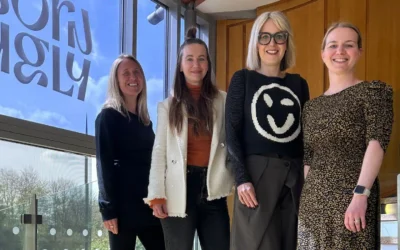
“At JBH, we’ve seen firsthand how valuable it is to involve people at all levels in the creative and strategic process. We recently welcomed graduates for a dedicated work experience programme, giving them hands-on exposure to campaign planning, content creation, media outreach and every element of digital PR.
“Seeing the energy and fresh thinking they brought really highlighted how indispensable people are to the workforce.
“Businesses that want to thrive in the long term must prioritise people. AI should support human effort, not replace it. By continuing to invest in human roles, we protect the innovation and integrity that industries need to keep moving forward.”