

The Scottish Government has launched a new national campaign, created by Leith, designed to connect with boys aged 11-18 at the exact moment harmful misgynistic content appears in their feeds.
Built through an intensive co‑creation sprint with young people, the work delivers a simple, powerful behavioural ask: sexist content hurts girls in real life – including the ones you know. Don’t engage with it.
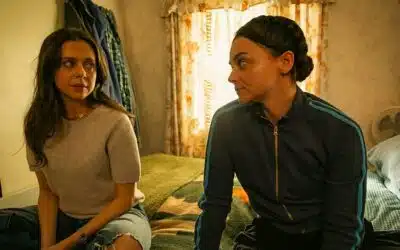
The hero film is rooted in a scenario that young people instantly recognise. A boy is scrolling at home when a misogynistic video pops up. As he’s about to react, the emojis on his screen transform into the face of a sad girl – clearly the same girl who is sitting beside him on the sofa.
It’s a sharp, visual jolt that makes the impact personal without preaching or lecturing. The film ends with the line: “Sexist content hurts girls IRL. You can help stop it. Don’t ♥ it.”
The work was shaped directly with young people. Leith partnered with planning and research company The Nursery and pupils from a Leith Secondary School to run a research and co‑creation process, involving boys and girls at every stage, from early insight to creative thought‑starters to testing.
Their feedback shaped the tone, the language and the scenarios, ensuring the campaign felt authentic and grounded in their lived experience. The young people said they didn’t want to be told what to think, but they did want to know what they could safely do to help.
READ MORE: Universal Music Group commissions Manchester artist for 2026 BRIT Awards creative
The strategy behind the work is simple: boys don’t always seek out misogynistic content, but once they interact with it, even accidentally, their feeds can shift quickly. With almost all young people online daily and the vast majority owning their own phones, the scroll is where attitudes are being shaped.
Boys aged 13-14 spend on average three and a half hours online each day, and research shows algorithms can move them from relatively benign content to extreme misogynistic viewpoints in a matter of minutes. Meanwhile, three in four girls aged 11-16 say they’ve seen or experienced sexism – a reality that shaped the urgency and direction of the creative idea.
The work gives boys a face‑saving way to push back: Don’t like it, don’t share it, don’t engage with it.
Alongside the hero film for young people, supporting films, audio and out‑of‑home executions speak directly to adults, parents and carers, who play a crucial role in shaping how young people navigate what they see online. The adult‑facing work highlights how quickly boys encounter misogynistic content, and encourages open conversations, directing them to ParentClub.scot for practical guidance.
The campaign runs across digital, social, radio and out‑of‑home channels from today to mid‑March.
Richard Thomson, deputy client partner at Leith, said: “This work was built with young people, not just for them. They helped shape the tone, the scenarios and the message, delivering something that was drawn directly from their worlds. They wanted to take action, but in a safe and achievable way that would make a difference. Getting this messaging right has been a challenge, but one we’ve been delighted to overcome by working side‑by‑side with the young people this campaign is for.”