


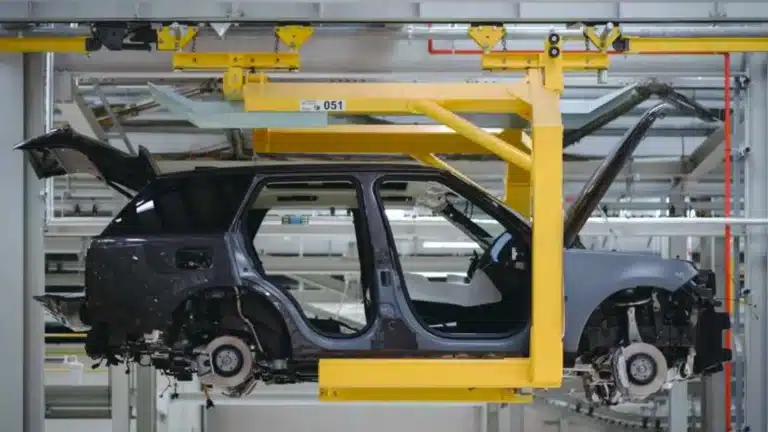

A cyber-attack has “severely disrupted” vehicle production as well as retail operations at luxury carmaker JLR.
The firm, which is owned by India’s Tata Motors, says it took immediate action to lessen the effect of the hack and is working quickly to restart operations.
There was no evidence any customer data had been stolen, the maker of the Jaguar, Land Rover and Range Rover brands said in a statement which read:
“JLR has been impacted by a cyber incident. We took immediate action to mitigate its impact by proactively shutting down our systems. We are now working at pace to restart our global applications in a controlled manner. At this stage there is no evidence any customer data has been stolen but our retail and production activities have been severely disrupted.”
The attack began on Sunday and came at a huge time for UK car sales, with the latest batch of new registration plates launching on Monday, 1 September. The release of new plates is traditionally one of the most popular times for consumers to take delivery of a new vehicle.
READ MORE: Reach plc reveals details of promised “radical” editorial restructure
Workers at the company’s Halewood plant in Merseyside were reportedly told by email early on Monday morning not to come into work, with others sent home after they had arrived.
It is not yet known who is responsible for the attack, but this is just the latest ina spate of attacks on household names including retail big hitters the Co-op and Marks and Spencer.
In both of those cases, the hackers sought to extort money.
The halt in production is a fresh blow to the firm which recently revealed a slump in profits attributed to increasing in costs caused by US tariffs, as well as the major investment needed for its EV pipeline. It also found itself at the centre of a bizarre culture war row late last year following an ad featuring a host of brightly dressed, androgynous models and no car, which various enemies of all things “woke” including The New York Post and Elon Musk (coincidentally also the owner of a struggling luxury automaker himself) took exception too. The NYP described the ad as “the latest example of idiotic and woke corporate virtue signalling.”