
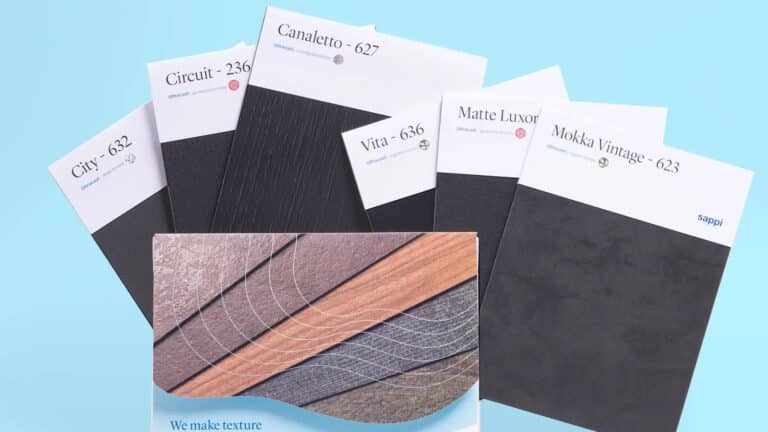

A multi-billion pound joint venture combining 12 paper mills around the world has been proposed by Sappi and UPM.
The move, which would include Caledonian Paper in Irvine, would form a non-listed, independent 50/50 JV for graphic paper.
That would bring together Sappi’s European Graphic Paper business with UPM’s Communication Papers business in Europe, the UK and the US.
“The proposed joint venture represents a decisive response to the structural changes in the European graphic paper industry, offering a path to strengthen its resilience and provide long-term commitment and supply security to customers,” said Sappi Limited CEO Steve Binnie and UPM President and CEO Massimo Reynaudo.
Binni added:
“Sappi is very excited by the potential that this joint venture, if approved, will bring. We have been searching for a solution to secure a long-term profitable future for our European business. This innovative partnership with UPM will deliver a focused business bringing the best assets and people together to create a strong future which can ensure sustained support for our customers and can also ensure that the European manufacturing base is protected.”
He continued:
“The transaction delivers on Sappi’s Thrive strategy to reduce our direct exposure to the graphic paper segment and enables us to reposition our portfolio towards higher-growth, higher value segments. Sappi’s direct sales volume exposure to the graphic paper segment will decrease to below 20% after the transaction is completed and our 50% shareholding in the joint venture is anticipated to generate more value than the standalone Sappi graphic paper business.”
READ MORE – 190 jobs at risk as Shotton paper mill put up for sale
Caledonian Paper Mill is one of the largest employers in Irvine, but earlier this year, UPM put forward proposals to “streamline its structure” with 462 roles impacted globally – 34 of which were in the UK. That would be around 10% of the workforce in Scotland.
UPM and Sappi stated that the proposed joint venture was taking place against “a backdrop of sustained structural decline in demand within the graphic paper market alongside overcapacity and low utilisation rates of assets.”
It blamed a structural shift toward digital media, declining print advertising revenues, falling newspaper and magazine circulation, and the rapid adoption of electronic media and workflows.
This, it stated, had been further intensified by rising costs in Europe and tariffs.
“To remain competitive and sustainable in the long term, consolidation is needed. Consolidation will contribute to a more robust and resilient European graphic paper industry, safeguarding security of domestic supply for the printing sector,” said Marco Eikelenboom, CEO of Sappi Europe.
They are proposing “strategically reallocating production volumes to the most efficient paper machines” to achieve more sustainable capacity and better operational performance.
This, they say, could save around £87m per year.
The proposal would see Sappi and UPM will sell their respective businesses and assets to the newly formed Joint Venture.
The Sappi business is valued at €320m and it will transfer pension and other liabilities of €53m and net assets valued at €267m.
In return Sappi will receive cash of €139 million and 50% shareholding in the Joint Venture.
The UPM business is valued at €1.1bn and it will transfer pension and other liabilities of €360m and net assets of €740m. In return UPM will receive cash of €613m and 50% shareholding in the Joint Venture.
Sappi’s assets include: Gratkorn Mill (Austria); Ehingen Mill (Germany), Maastricht Mill (The Netherlands), and Kirkniemi Mill (Finland); as well as Sappi Europe’s wood supply Joint Ventures.
UPM will include its Communication Papers business assets which Augsburg (Germany), Schongau (Germany), Nordland paper lines 1 and 4 (Germany), Rauma including UPM RaumaCell (Finland), Kymi (Finland), Jämsänkoski paper line 6 (Finland), Caledonian (Scotland), and Blandin (United States of America).
The proposed deal would be subject to a number of regulatory conditions and shareholder approval, but the companies intend to sign final agreements during the first half of next year, with the transaction set to be completed by the end of 2026.