



The National Union of Journalists has accused STV bosses of “arrogance beyond belief” after they told the Scottish Affairs Committee in Westminster they do not need permission from the media regulator to move production and presentation of their North of Scotland news programme to Glasgow.
Also giving evidence to the committee in Westminster this morning, Nick McGowan-Lowe, NUJ Scotland organiser, said that the planned Glasgow move for News at 6 North would be “absolutely devastating” for northern Scotland and could result in some news coverage for the North of Scotland being pre-recorded in Glasgow hours before it is broadcast, in what he described as “an act of cultural vandalism.”
The broadcaster intends to cut the Aberdeen-produced show as part of cost-cutting measures, with a total of 60 jobs at risk, and STV chief executive Rufus Radcliffe confirmed to the committee that a voluntary redundancy programme had now closed.
Last year, STV negotiated a 10-year deal for television licences in both northern and central Scotland – the only two Channel 3 licences in the UK outside the ITV network – which came into force in January.
The broadcaster is now hopes to rip up that deal to allow it to produce a single news programme for both regions. STV bosses said that Ofcom would not have to give the green light to any move of production and presentation for its Aberdeen news programme to Glasgow, with divisional managing director Bobby Hain citing examples elsewhere in the Channel 3 network where regional news programmes are pre-recorded in advance.
Hain added: “We are focused on what we think is the best outcome, retaining reporting and specialist knowledge in the north for online distribution and for inclusion in a new programme.”
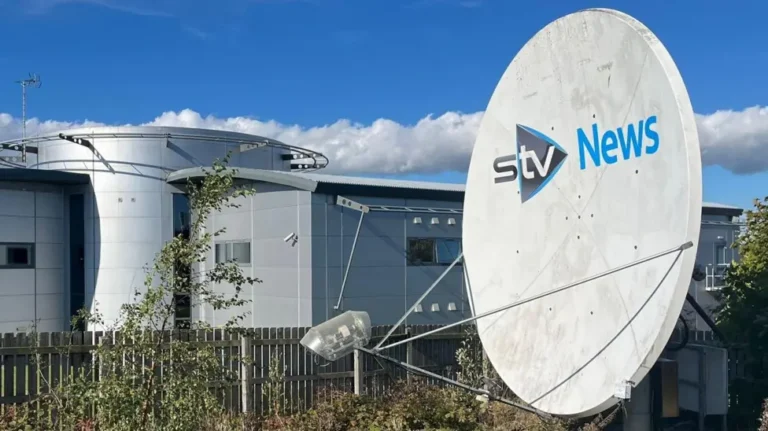
STV recently spent a reported £500,000 on upgrading its Aberdeen studio, which unions say will be “mothballed” if the northern news show is axed.
It has also been criticised for spending a further £500,000 this year setting up a new radio station, which is due to go live next year. The new operation is not expected to turn a profit until 2027 and was described to the committee by Philippa Childs, head of the Bectu union, as a “mistake” given that STV has “no expertise” in radio.
STV is seeking about £3m of savings by next year after announcing a £200,000 pre-tax loss in the first six months of 2025, though the company is expected to be profitable over the year as a whole.
The broadcaster plans to cut 60 jobs in total, about half of which are expected to be in news and, according to McGowan-Lowe, 10 of them directly related to the northern news plans. He added that the voluntary redundancy programme would lead to less than half of the job cuts targeted by STV.