
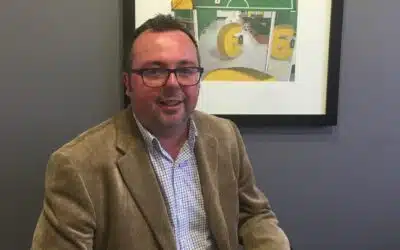


After working in TV and video production for over 15 years, Paul Wilson is currently content director at OBI, a property consultancy based in Manchester.
Originally from Yorkshire, he worked in post-production in London on documentaries and TV shows for the likes of Channel 5 and Sky, eventually making the move back up North to Manchester in 2016, transitioning into short-form branded content across a range of sectors.
Now at OBI, he leads a creative team of nine, working on a range of projects for clients such as Booking.com, THG, Relentless, Versa Studios and many more.
From lucky breaks to failures, he shares some of the lessons he’s learnt across his life and career so far…
Which single daily habit or practice could you not do without?
Having a team of people can make days disappear very quickly, so I like to get in early (martyr alert!) and get a couple of hours to focus and get some headspace before the madness begins. This helps to then be able to give full creative attention to projects and not get too distracted – without that, all of the extra bits and spinning plates would very likely fall by the wayside!
What’s been your luckiest break?
When I was first starting out after university, the path into the industry wasn’t as clear as it may be now, so I went through a directory of production companies and sent prospective emails to every single one. One of them came back to me and they needed somebody to start on the Monday, working on a film festival in London. It was Friday and I lived in Yorkshire!
So I headed down and that short gig led to my first proper job in post-production. As they say, you make your own luck in some ways and this taught me it’s all about spotting an opportunity when it presents itself and knowing when to go for it.
What’s your best failure?
Working in production, it goes without saying that things don’t always exactly go as planned, so it’s all about adapting, seeing how you can do things differently and learning from your mistakes. One of the first shoots I did, the client came back with the age-old question, “Did you get a shot of the…” which inevitably – I hadn’t.
I learnt from that point on the importance of pre-production planning and also being aware on the shoot itself to always be asking questions and never settling. Equally, it’s important to know when to move on but the point is the same – more often than not, you can’t reshoot, so maximising time on set is vital.
What is the best investment you’ve ever made, either financial or time?
I am not somebody who typically obsesses over the latest kit or gadgets – but buying my first camera really did open up a whole new door, both personally and in terms of my career. Back in the noughties, the whole industry outside of film production was stuck on what were essentially glorified camcorders, where almost everything was in focus, and it was very limiting in terms of creating a cinematic look.
A friend of mine had told me about a DSLR that could shoot video that looked like film and the depth of field you could get was amazing. After using a Canon 5D Mark 2 for the first time on a small job, I instantly went out and bought one, and where I’d previously been focused on editing for TV, I started picking up freelance jobs filming and making branded online videos for clients.
It opened the door to a whole world of creative opportunities and I was fortunate enough to be able to experiment and work on exciting new content for clients such as Grey Goose, Mizuno, Hugo Boss, Nissan and Soho House among others.
Which podcast or book would you recommend others to read/listen to, and why?
I am not into the whole new wave of self-help/self-improvement podcasts that seem everywhere these days, but do like to listen to things for inspiration. The Roger Deakins podcast is great, as it gives incredible insight into all aspects of the creative process, speaking to people from different areas of production in film, from actors such as Benicio del Toro and directors like the Coen brothers and Sam Mendes.
My most listened-to podcast has to be Talking Sopranos – again, very inspiring to hear the tremendous thought and meaning behind every single detail in what has to be the greatest TV show ever.
What one piece of advice would you give your 21-year-old self?
Try everything and don’t be afraid of it not working out or not being ready for it. There’s more to lose by not doing it! The more things you try, the more opportunities you will get.
7. Who or what has had the single biggest influence on your working life?
Working in larger production teams, it is very easy to become accustomed to staying in your own lane. The friend I mentioned earlier who told me about the Canon 5D was a mentor of sorts and always encouraged me to try new things and “Say yes first, then figure out how to do it later!”. This definitely rubbed off on me at an early stage in my career, and gave me the confidence and self-belief to learn new skills, apply them, and make a career out of it. Thank you Max!
Tell us something about you that would surprise people.
My colleagues are very surprised that I can run 5k in 19 mins at age 40. The fact that it’s surprising isn’t great, I’d say, but I started running last year to train for a half-marathon and just carried on. It definitely helps with mental resilience as well as the obvious fitness benefits, which seem ever more necessary as I move into this new decade!
If there was one thing you could change about your career, what would it be and why?
After nine years in London, and having my first child in 2015, my partner and I finally made our way back up North and moved to Manchester. Instantly, I knew I was in the right place and was welcomed with open arms by the business community.
Although I learnt a lot in my early years in London and wouldn’t change it, the digital revolution has transformed the industry, making accessibility possible from anywhere, so on reflection, I would have made the move earlier had I known this. Manchester is such an exciting place to be right now, with the Old Granada Studios resurrected in St John’s, new developments happening everywhere, and growth in a variety of sectors. It looks set to continue, so I’m happy to be here.
What does success look like to you?
If I’m proud or satisfied with the outcome, that is the most important thing to me. The aim is to have happy clients, but in order to get there, I think you need to fight for what you think is right and trust your judgement. The smallest jobs can be the most fulfilling, and they can be the ones that fuel us, so I try to use that compass – stick to your guns and if you’ve got something to say, you won’t go far wrong.


