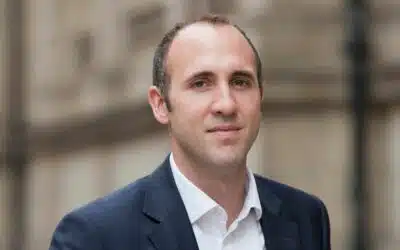


Sounding the alarm on AI scams spiralling out of control, Steven Tallant, CEO of Liverpool-based remote contracting software developer Videosign, warns that deepfake fraud is now targeting businesses of all sizes. From fake calls and video impersonations to forged messages, he outlines the key steps companies can take to stay safe.
Deepfake fraud is being carried out on ‘an industrial scale’, according to a recent report that makes sobering reading about the rising threat of AI-based scams.
The latest update from the AI Incident Database recorded 108 new issues from November 2025 to January 2026 alone – and the reality is that that figure is likely to just be the tip of the iceberg.
For anyone who (like me) works in the world of digital identity, it’s a trend that’s certainly worrying, but not really that surprising.
But for those who don’t live and breathe cyber security, it’s a development that might have crept up on you and could cause you a major issue any day now.
READ MORE: From a team of 15 to a Salford tech scale-up in five years: inside Voicescape’s growth journey
There have been a number of high-profile frauds in recent years, including use of deepfake voice and video and a fake Whatsapp account to impersonate Mark Read, the former CEO of advertising and PR group WPP, and a scam in Hong Kong where a finance worker was tricked into transferring $25m to criminals who used deepfake technology to pose as the company’s chief financial officer and various other colleagues during a video call.
These were sophisticated scams carried out by highly organised criminals. But the worrying truth is that the technology to make deepfake content is now so easily accessible and powerful that these scams are becoming much more widespread.
For example, news emerged last year that universities had been targeted by international student applicants using deepfakes during online application processes.
Rapid development of AI technology means that everybody has access to tools that can be used to create fake voices and video – creating new fraud risks for individuals as well as businesses of all sizes. The era of ‘seeing is believing’ is officially over.
So how can you protect yourself?
I wish I could tell that there was one simple step you can take to protect yourself from deepfake fraud, but sadly the complexity and ever-changing nature of scams and scammers means that’s not true.
However, there are three important, ongoing things businesses can do to protect themselves and their customers from this growing threat.
The first is also the most important: constant vigilance.
Do you really know where that email has come from? Why is this person asking for personal information? Why is this message from your boss marked urgent? Why is this person calling me? Is the person on this video call really who they say they are?
It’s important not to become paranoid of course – but approaching everything with a healthy level of scepticism is wise. Look out for unusual behaviour, calls for urgency, stilted conversation, and unnatural video or audio.
The second step you can take is to make sure your digital security and processes are up to scratch.
Use of secure digital signatures for contracts and legal documents means all parties can have confidence that there’s a concrete record of who signed what, and when; ID verification processes using facial recognition or banking credentials provide an extra layer of protection; and security techniques such as ‘liveness detection’ can use AI to spot fraud attempts that can fool human eyes and ears.
The third and final thing to do is to work with clients and staff to make deepfake protection a partnership. Keep your employees and customers informed of improvements to security. Keep them updated on new risks and near misses. Build confidence and trust in your processes by being transparent and open.
The numbers in the latest AI Incident Database report show that If your business is still relying on standard video calls or unverified digital communications to close deals, you are leaving the front door wide open for this new wave of fraud.
While the rise of AI has brought incredible efficiency to many industries, the 2026 data confirms a darker side.
By failing to implement robust, AI-resistant verification processes, businesses are risking more than just money; they are risking their reputation and the trust of their clients.
A simple electronic signature is no longer enough if you can’t be 100% certain who is behind the screen.
The technology used to create deepfakes is reaching a level of maturity where the naked eye can no longer distinguish between a person and a programme.
If you are still waiting to upgrade your security protocols, the time to act is now. The data is clear: the deepfake revolution is here. Don’t let your business become a statistic.