Greater Manchester was today announced as the new host of the prestigious Edinburgh (Manchester) TV Festival from 2027, one of the longest standing and most highly respected events in the industry calendar with a history going back more than five decades and a reputation as the home of independent debate in TV.
Established in Edinburgh in 1976 and taking place in the Scottish capital every year since then, the move to Manchester follows a UK-wide strategic review into the annual event’s long-term future by the festival’s board of directors, and follows an extensive consultation and competitive bidding process that was launched last year.
The choice of Manchester as the new home of the Festival reflects the strength of the screen sector in the city region and will see it welcome national and international audiences to an event with growth, sustainability and diversity of the screen industry at its core.
The festival is expected also to bring with it a significant economic boost to the region, with the creative industries, other local businesses, and the hospitality sector all set to benefit both from the Festival itself and from the wider opportunities and partnerships that evolve from it.
READ MORE: Leeds pulls out the big guns (and Trivial Pursuit) for 400th anniversary of Royal Charter
Councillor Bev Craig, Leader of Manchester City Council, and Deputy Mayor for Economy Business and Inclusive Growth, Greater Manchester, was understandably upbeat about the city’s latest win. She said: “Being chosen to host the TV Festival is brilliant news for Greater Manchester and speaks to the growth, success and strength of our screen sector in the city region and the strong partnerships and talent we have here.
“With the fastest growing economy in the UK, creative industries are a key priority growth area for us. As part of this we aim to make our region home to the strongest screen industry cluster outside London by 2028 – an ambition backed by our just-launched £10.5 million Screen Production Fund to support film and TV made in Greater Manchester, using local facilities and expertise.
“As new home now also to the prestigious TV Festival, we’ll be working closely with partners to ensure we deliver not just an exceptional annual Festival – with our own uniquely Manchester twist – but an event that supports new collaborations and partnerships locally, nationally, and internationally, that have the growth, sustainability, and diversity of the screen industry at their heart.”
Manchester industry responds

Greater Manchester’s winning bid to host the TV Festival was led by Cameron Roach, founder of Waterloo Road producer Rope Ladder Fiction, and creative industries producer Beth Hewitt, in collaboration with the city council, Greater Manchester Combined Authority, Marketing Manchester, Manchester Accommodation BID, and TV Industry partners and others across Greater Manchester.
Roach said: “Manchester is a TV and media epicentre and is ready to welcome national and international audiences. We believe there is a real alignment with the ambitions of the TV Festival and those of Manchester – a creative, vibrant city with a long tradition of television, and an existing deep-rooted, ambitious sector. We are excited to build for the future, forging connections and embracing media innovations with a variety of partners and associated industries, many of which are rapidly evolving.
“Having collegiately built this bid over six months with a multitude of local stakeholders, from broadcasters, and the production community, through to academic institutions and a variety of creative networks, we’re excited to amplify this work with the TV Festival, nationally and internationally, to bring together a connected and engaged, future-facing audience for the sector.
“The TV Festival means a great deal to us personally, and for the creative community here in the North it is an opportunity to turbo charge networking opportunities and development pipelines, as well as ensuring the industry strives to truly reflect the diverse population of the UK, both in terms of creatives but also in terms of future generations of talent that we hope will enjoy, be empowered and enabled by the TV Festival.”
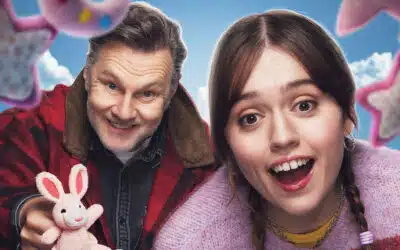
There was plenty of optimism from those in the city’s industry who weren’t directly involved with the bid too. Nicola Shindler, CEO and executive producer at Quay Street Productions, one of the UK’s biggest indies with credits including Tip Toe (above), Fool Me Once and Nolly to its name, said: “The TV Festival has created so many memories and opportunities over its 51 years in Edinburgh, helping to champion new talent and bringing the industry together in a way that has become truly iconic.
“The North has always been a vibrant creative hub, fostering world-class talent both on and off screen and it is fantastic to see its next chapter taking shape in Greater Manchester. This move is a hugely positive moment for the region and represents an important investment in the future of the UK’s screen industries. [It] makes the Festival even more accessible to people working in television.”
She added: “We’re delighted to welcome the Festival to Manchester and look forward to giving delegates a taste of the creativity, ambition and unmistakable spirit that makes this region so special.”
Helen Houston, deputy head of production, Lifted Entertainment, which is behind shows like University Challenge, Countdown and The Voice, added: “It’s fantastic news that Greater Manchester has been chosen to host the TV Festival. The region is home to some of the most talented people in the industry and has a long track record of producing world-class television, making it a fitting home for one of TV’s most important events.
“While the festival’s success has been built over many years in Edinburgh, this move feels like recognition of the growing importance of Greater Manchester within the UK’s TV industry. At Lifted, we’re proud to make some of our biggest shows in Manchester, so we’ve seen first-hand the depth of talent and expertise the city has to offer. We’re really excited to see what this next chapter means for the Festival and the wider TV community.”
Scotland – disappointed but far from despondent
Up in Edinburgh, meanwhile, there was understandable disappointment – the city was on the final shortlist of three (alongside Manchester and Newcastle) for the festival’s future, and like Manchester the city’s council was heavily involved in the bid.
Edinburgh Council Leader Jane Meagher said: “Of course, we’re disappointed by this decision but are rightly proud of the role that Edinburgh has played in hosting the TV Festival over the last 50 years.”
Meagher was also confident Edinburgh would bounce back from the loss of the festival, however: “Being the world’s festival city, Edinburgh will always be a place where creativity is welcomed and celebrated and our ambitions for the screen sector and wider creative industries is as strong as ever,” she continued.
Claire Mundell, founder, CEO and creative director of BAFTA-winning Glasgow indie Synchonicity Films admitted that, like many others locally, she was “deeply saddened” to see the festival leave Scottish soil after over five decades: “Edinburgh TV Festival was one of the few moments each year when the UK industry came to Scotland, rather than expecting Scotland to come to it, she explained. “It brought commissioners, broadcasters, producers and international decision-makers together in a way that shone a spotlight on Scottish talent, creativity and ambition, while benefiting enormously from the unique cultural energy of Edinburgh in August.”
Despite the disappointment, however, Mundell was, like Meagher, keen to look to the future: “Whilst I understand the pressures behind the decision and the need to plan for the future, there is no doubt that Scotland now loses something significant as a result. The challenge now is how we build on the strength of Scotland’s screen sector and ensure there remains a platform that brings the industry here, showcases our talent and connects us to the wider global market. The Edinburgh TV Festival was not simply located in Scotland. Its connection to Scotland was part of what made it special.”
David Smith, director of screen, Screen Scotland, admitted that he wasn’t entirely surprised by the decision: “Is this a surprise, a disappointment? Not entirely, and it’s an opportunity,” he surmised, noting that “the value proposition of the TV Festival hasn’t been as solid since the pandemic.”
Smith added that he hopes the Manchester team will work on that, but like his fellow Scots was now keen to look at what happens next: “While they do that Edinburgh is going to continue to attract talent from around the world and across media and genres for years to come. That talent has long been a key draw for one-time TV Fest delegates and will continue to be from 2027. Screen Fringe will grow and new opportunities will be developed.
“Edinburgh created the TV Festival, gave it relevance and context for 50 years. Edinburgh’s bid to retain the TV Festival was robust and addressed the concerns raised by the TV Fest team, at least to the level that was considered justified by what they in turn brought to the city each August. It was a bid built on collaboration that attracted significant support from industry here in Scotland and across the UK. It included significant funding pledges and had a strong focus on accessibility and affordability.
“Looking forward the resources that would have supported the TV Festival had it stayed in Edinburgh are now available to support other new things. That is the opportunity.”
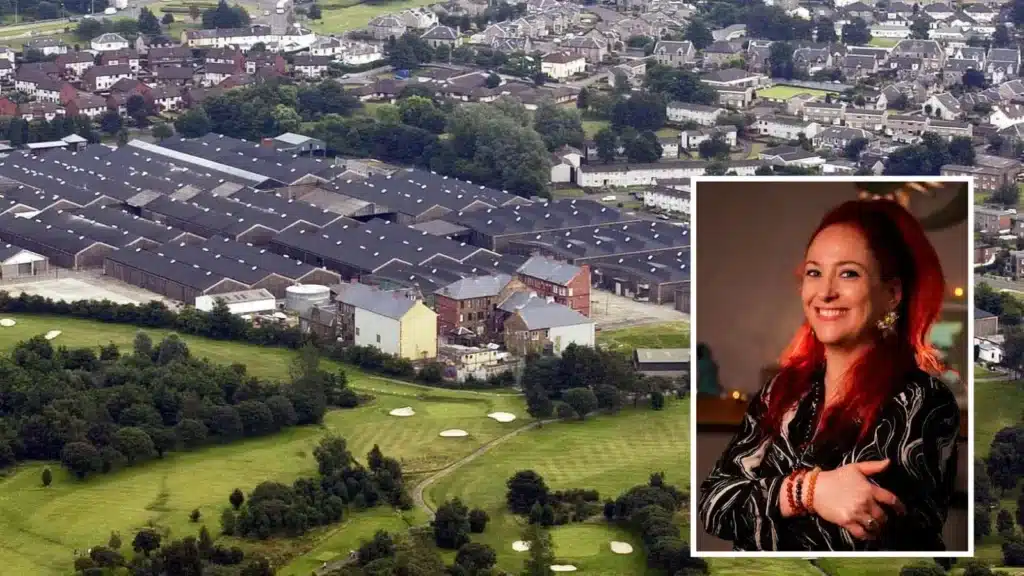
Firewalker Pictures’ Maureen Hascoet, who was the driving force of the campaign to keep the recently closed Dumbarton Studios (above) in use following the axing of long-running soap River City, was also an advocate of supporting the industry that remains, and is yet to come, in Scotland, rather than bemoaning the festival’s move ‘down south’: “The decision to move the Edinburgh TV Festival to Manchester is understandable from a commercial perspective, but it should also prompt some reflection about the future of Scotland’s screen sector,” she explained.
“In recent years we’ve seen the loss of River City, uncertainty around production infrastructure such as Dumbarton Studios, and increasing pressure on creative organisations. The question isn’t simply whether Scotland loses events, but whether we are creating the conditions for new ones to emerge.
“What gives me hope is that we’re also seeing a growing number of grassroots initiatives stepping up to fill some of those gaps – whether that’s festivals, producer networks, new distribution platforms or creator-led communities.
“The future of Scotland’s screen industry won’t be built by any one institution. It will be built by people who continue to create, connect and innovate, even when the landscape is changing around them.”
“The industry has changed”

Perhaps it’s appropriate that the final word should go to festival chair Fatima Salaria, who was keen to praise the event’s Scottish roots despite its imminent relocation: “This decision was not about turning away from Edinburgh or from Scotland. I want to be clear about that. Scotland’s creative community has helped shape the Festival. The work of Screen Scotland, and the strength of Scottish producers, creatives, indies, freelancers and talent, remain an important part of our future. But we also had to look honestly at what the Festival needs now,” she said.
“The industry has changed. The cost of taking part has changed. The Festival also has ambitions to grow: to reach more people across the UK, build stronger partnerships, strengthen its international presence, and stay close to the people and companies shaping television now.
“That was the question for the Board. Not simply where the Festival should be, but where it could have the best chance to grow, remain relevant, and serve more of the industry.
“We believe Greater Manchester gives us that chance.
“It has television history, infrastructure, creative momentum and real ambition. It also gives us practical opportunities around affordability, access, partnership and long-term growth. Those things matter if the Festival is going to keep opening up, not narrowing down.
“I know people will feel strongly about this decision. I understand that. I also believe it is the right one.”
Salaria added that in many crucial ways, the festival will barely change, aside from the move to the UK’s fastest growing city and economy, a more accessible geography and, dare we say it, better local football teams. The MacTaggart Lecture, the Spotlights, the masterclasses, the networking, the programme and the conversations the industry comes for every year will continue as before, she insisted, but now with more room to grow.
“This August, in 2026, we will hold the final Edinburgh edition of the TV Festival. We will honour that history with care, and with gratitude for the city that has given the Festival so much,” she concluded.
“I am excited about what Greater Manchester can help us build. A Festival that is more accessible, more outward-looking, more connected across the UK, and more visible internationally.
“We owe Edinburgh a proper final year. And we owe the industry a Festival that can keep growing.”
Image: Charlie Brooker in conversation at the 2025 festival, courtesy Edinburgh TV Festival