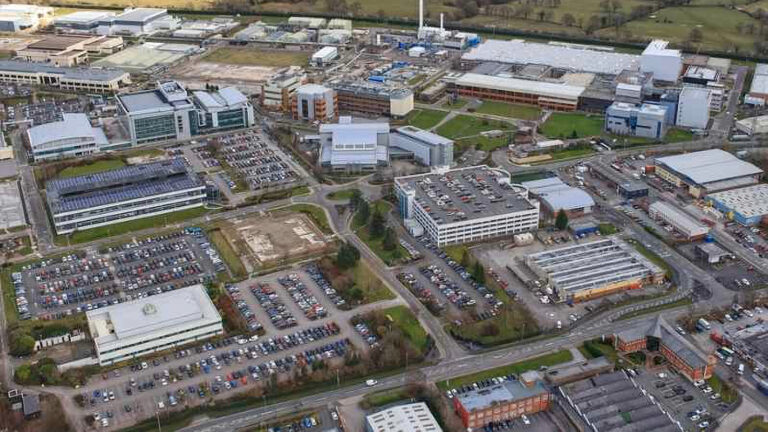

Macclesfield is in line for a multi-million pound boost after Britain’s biggest drugmaker, AstraZeneca, said it will invest £300m in the UK at two sites, in the Cheshire town and its Cambridge hometown.
The apparent change of heart comes after the drugmaker last year paused plans for a £200m expansion of its research site in Cambridge and scrapped plans to invest £450m in a Liverpool City Region vaccine plant after reportedly becoming disillusioned with the business environment, including the availability of new medicines on the NHS and drug pricing.
Today it said it would invest in the two existing sites at Cambridge and Macclesfield after all.
READ MORE: Nationwide patient record software specialist opens new Northern hub in Liverpool
PM Keir Starmer announced the “significant” investment in the House of Commons, saying the move would protect jobs. The PM added that the investment was made possible thanks to the pharmaceutical deal the UK has struck with the USA, and added: “That is a major vote of confidence in the UK and Labour’s plans to strengthen our economy.”
The firm plans to build a “lab of the future” in Macclesfield, that will use digital and data tools to advance drug development, AstraZeneca chief executive Pascal Soriot said.
Soriot also thanked the government “for their effort to improve access for patients, including four new [drug] approvals since the beginning of the year, and we look forward to further enhancing the access and the reimbursement environment and build a strong life sciences sector.”
He added: “”We are investing a total of £300m in the UK, which includes investment in our Macclesfield site, including a lab of the future that will use digital and data tools to advance drug development.”
AstraZeneca has reported strong sales of its cancer and rare disease drugs this year, despite the firm, in common with fellow British pharma multinational GSK, taking a hit in the US, potentially due to “vaccine scepticism” fuelled by the current administration.
AstraZeneca posted an 8% increase in revenues to $15.3bn in the three months to March, including 16% growth in oncology and a 15% rise in rare disease treatments.
Image: astrazeneca.co.uk