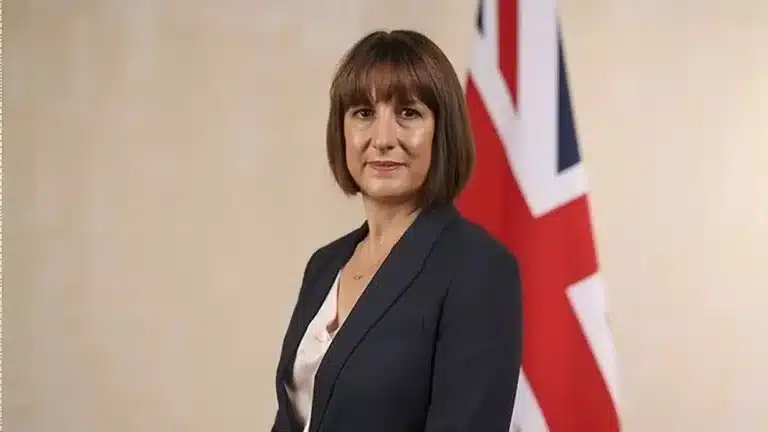

Chancellor Rachel Reeves claimed Labour has “restored economic stability” during today’s Spring Statement, although she may have written that line before a new crisis engulfed the Middle East at the weekend, with energy prices soaring on the latest conflict and downgraded growth forecasts for 2026 and rising unemployment.
Reeves added that the government has “the right economic plan for our country”, and that she believes families will feel “better off” by the next election.
She also announced economic growth is forecast to slow in 2026, and unemployment is set to peak later this year at 5.3%.
The US-Israel war with Iran means that any narrow improvements in the economy, as well as cautiously optimistic previous forecasts from the Office for Budget Responsibility’s, are looking shakey, with spiking in oil and gas prices likely to lead to higher inflation and energy prices.
READ MORE: 733 jobs saved – but 484 go – as US craft beer and medical cannabis company comes in for Brewdog
Reeves did address the latest conflict in the Middle East at the start of her speech, saying: “It is incumbent on me and on this government to chart a course through that uncertainty to secure our economy against shocks and protect families from the turbulence that we see beyond our borders.”
The OBR said in their forecast published on Tuesday that: “Conflict in the Middle East, which escalated as we were finalising this document, could have very significant impacts on the global and UK economies.”
The spring statement is a chance for Reeves to update MPs on the state of the economy, as she responds to independent forecasts from the OBR.
Those forecasts show GDP is projected to rise more slowly than expected in 2026, and then to grow slightly faster after that, with an increase of 1.1% in 2026 and an average increase of 1.6% a year until 2030.
While unemployment is set to peak later this year and then fall every year until 2030, ending at 4.1%, which is lower than it was at the start of the Parliament.
Shadow Chancellor Sir Mel Stride branded the spring statement more of a “surrender statement,” accusing Reeves of being “in denial.”
The Spring Statement did not contain any significant policy or spending changes, as it is intended more as a mid-year update than a full-on budget, although the government did publish the OBR forecast itself this year after the watchdog accidentally published the Autumn Budget early in 2025.
Dr Ryan Swift, research fellow at the Institute for Public Policy Research’s Northern wing, said: “Stability is what the country needs, and it appears stability is what this Spring Statement has offered. The Chancellor’s decision to increase the headroom has paid off for now.
“But people listening will be measuring their own financial stability. The conflict in the Middle East will raise concerns that household bills will be back on the rise. With unemployment rates in the North among the highest in the country, and set to increase this year, the government needs a clear plan to take action. Improving regional growth and providing further investment into industry and vital infrastructure, unlocking potential in the North must be part of the answer.”