From pub explosions and shoot-out cliffhangers to tackling dementia and eating disorders, River City’s fictional Glasgow neighbourhood of Shieldinch has been home to countless dramatic storylines over the past 24 years.
The long-running drama wasn’t just a hit with soap fans, it also acted as a ‘vital’ training ground and launchpad for Scottish talent on and off screen over at Dumbarton Studios, where the show is filmed.
BBC Radio 2 presenter Scott Mills even led a campaign for the show to be screened nationally in a bid to boost the show’s profile in the early 2000s.
But that’s all about to come to an end soon. The cast and crew are now gearing up to film the final series, due to be aired in the autumn of 2026, after the BBC called time on the soap earlier this year.
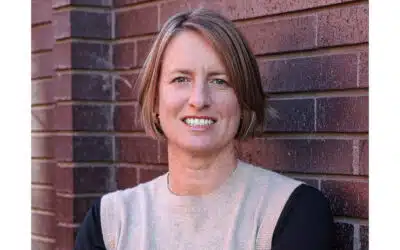
As part of Prolific North’s Creative Powerhouse series, River City’s executive producer Martin McCardie reflects on the show’s impact as he shares why it really is the end for River City despite the petitions and protests to save it.
For McCardie, he wasn’t shocked by the BBC’s decision to end the show.
“We saw Holby City and Doctors go – you’d be really silly if you didn’t think this is the area they’re looking to change. The way River City is funded, you wouldn’t do that anymore because all of its core funding comes from BBC Scotland. It’s a hefty bit of their annual outlay,” he tells Prolific North.
“I can see why they think it’s time to change how we finance these things and look at doing co-productions.”
The rumour mill was in overdrive and there was initial confusion about the reasons behind axing the soap.
But he says the show’s commissioners came to Dumbarton Studios to deliver the news to cast and crew in person, which was “the right thing to do”.
“It wasn’t easy. They were faced with a room filled with people who were devastated.”
Despite a petition to save River City racking up more than 12,000 signatures, with support from the likes of Irvine Welsh, and industry union Equity calling the move “short-sighted” and a “disaster for Scottish television”, McCardie is realistic about what happens next.
READ MORE: River City axed after 24 years
“The reality of the decision was BBC Scotland’s director Hayley Valentine said River City was no longer value for money. As far as I was concerned, that was the end.
“I’ve had conversations with actors, writers, directors and crew to say don’t waste your time trying to do campaigns to keep it going. It’s not going to happen. We need to be positive about what we still have and what we can still do.
“I’ve told everyone that we’ve still got a full series to go. BBC Scotland is not going to change its mind, and it doesn’t matter how many people are on the petition, that is not going to change.”
“The impact, training wise and opportunity wise, is massive…”
McCardie knows first-hand how vital River City has been for careers across Scotland’s film and TV industry, including his own.
“I’ve had a long history with River City, I’ve been involved in the show since 2005,” he says.
“I started out as a writer, working in the story office on and off, acted for a year and came back in 2014-15 as a story advisor then became producer, series producer then executive producer. The big thing for me, is the opportunity it gave people to work here.”
For many, including McCardie, it was the only way to sustain a career in Scotland without having to move elsewhere.
“It was good for me because I wanted to live and work in Scotland, that was the big thing. Before that, I had to work elsewhere all the time and I had a family with a small child. It was evident to me that we had to create opportunities for people to do that and create a training structure.”
READ MORE: Prolific North’s deep dive series into the North’s creative industries
One of his proudest achievements was shifting the writer ratio from 80% male and 20% female to 60% female and 40% male.
“The big thing for me is, everybody needs a chance. The ethos of the show was to train people, make sure that they’re Scottish-based, particularly women at that point, and give them an opportunity to write for the show while keeping the show to high standards.”
River City has picked up major accolades over the years, including an RTS Award for Best Drama in 2023 and recognition for its training scheme.
But since the show’s training academy has since been wound down as the show heads into its final series, he’s worried about what comes next.
“Unfortunately, we don’t have that now, because there’s nowhere for them to go after this series. The impact, training wise and opportunity wise is massive. I think BBC Scotland now realises that.”
Earlier this year, the BBC said it will work with industry partners on a new talent training plan in Scotland and a framework will build on River City’s “successful training academy”.
READ MORE: Can Scotland become a ‘global hub’ for film and TV by 2030?
Although McCardie believes River City’s grassroots efforts were often overlooked, he says attitudes have “changed dramatically” since the arguments have been made about River City’s place within the industry – rather than just the show itself.
And while he accepts that 24 years is “a very good run” for any show, the bigger question is about infrastructure and progression for talent.
“The opportunities, particularly for the female writers and young directors we have, where do they go to progress?” he asks.
“We have an extraordinary cast and crew. There’s a real family feel to that here. That’s made it difficult for people, because we have a mix of new people who we’ve given opportunities to and vastly experienced people who only work on the show because they don’t want to work all year round.”
For those people, they “probably won’t work on anything else now” he says. It’s a stark reminder that Scotland’s film and TV industry risks losing talent if there isn’t the opportunity or training to retain them.
The bigger picture
In May, BBC Scotland bosses were quizzed at the Scottish Parliament after cast members and Equity leaders raised concerns over investment in Scottish productions and the impact on training and job opportunities.
Reflecting a ‘significant change in audience behaviour’ away from long-running series, the BBC revealed earlier this year its plans to move River City’s budget into ‘major drama productions’ set across Scotland, starting with three new series – Counsels, Grams and The Young Team.
And as concerns continue to mount over the future of Dumbarton Studios without River City, Prolific North also contacted the BBC to ask about its commitment to “expand” physical studios operations in Glasgow, as outlined in the corporation’s six-year BBC Across the UK plan from 2022 to 2027.
“As part of the BBC’s commitments in the Across the UK plan, the BBC met its ambition of expanding studio capacity in Glasgow when the BBC’s wholly owned subsidiary, BBC Studioworks, entered into an agreement to run the Kelvin Hall studios in the city,” a BBC spokesperson said.
A 2024 report commissioned by Screen Scotland also revealed out of the top 15 Scottish producers, only five were based in Scotland and the remaining ten were headquartered in London.
“There have to be pathways to recognise people. If you have high-end productions coming to Scotland, that’s great, but there’s nobody in any significant position who is Scottish-based. That’s difficult because then how do you progress people, if those productions bring their own people from elsewhere?” asks McCardie.
And it has become a point of “frustration”.
“Some people feel there’s a difficulty in finding their next step. How do they progress when there’s a glass ceiling, the significant positions will have people coming up from London or Manchester or elsewhere. That’s where the frustration lines.”
Scottish Parliament has begun to take notice, debating how to ensure Scottish-based talent can secure meaningful roles in major productions.
“You don’t blame a production company for suddenly having a Scottish base, if it accesses Scottish money. There’s nothing wrong with that but they are satellite companies. We need that infrastructure, with genuine Scottish-based companies employing people who live in Scotland in significant positions.”
But there are signs of ‘progress’. McCardie points to BBC’s co-production Dinosaur, which recently filmed with a majority of Scottish-based department heads.
As for River City as the show is about to kick off filming for its final series, McCardie is determined to make it a series to remember.
“We need to make it the best we can make it. We need to try and do it in such a way that people will say: ‘you’ll miss us when we’re gone’.”