As the Greater Manchester Business Growth Hub marks 15 years, we meet the team helping the city-region’s creative businesses scale, innovate and compete – and look at its newly launched, fully funded Creative Exchange Accelerator for ambitious creative businesses.
Greater Manchester has become one of the UK’s most closely watched creative, digital and technology economies.
Devolution has given the city-region greater control over its future. Investment continues to flow into creative industries, AI and advanced technologies. And with Andy Burnham’s move into Number 10 North, Manchester’s growing influence on the national stage has brought fresh attention to a region increasingly confident in shaping its own economic destiny.
But success brings a different set of challenges. For every ambitious start-up that launches, there is another business wrestling with the leap from surviving to scaling. Founders still face barriers accessing new markets, securing investment and recruiting specialist talent. If Greater Manchester is to fulfil its ambitions over the next decade, creating more successful businesses will only be part of the story. Helping more of them grow into nationally and internationally significant companies will matter just as much.
And few organisations have had a closer view of that journey than the Greater Manchester Business Growth Hub.
Turning 15 this year, the publicly funded organisation has worked alongside businesses across the city-region, helping entrepreneurs develop new products, raise investment, recruit people, improve productivity and expand into new markets. Its advisers have also played a quieter role, feeding the experiences of those businesses back into local policy and helping shape the support available across Greater Manchester.
As GM Business Growth Hub deepens its partnership with Prolific North, we sat down with its Digital, Creative & Technology team to discuss Manchester’s next phase of growth, the challenges facing ambitious founders and how they’re helping more businesses turn potential into long-term success.
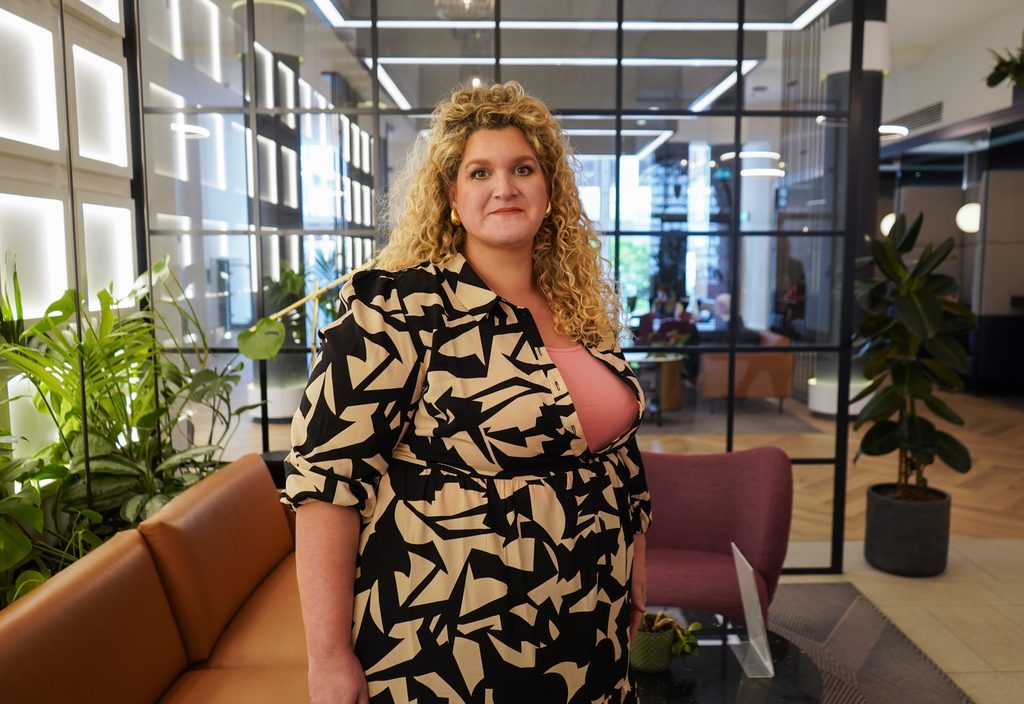
“We’ve earned our seat at the table,” says Sarah Novotny, Head of Sector Delivery at the GM Business Growth Hub, which is part of the wider The Growth Company. “Now it’s about delivering even more as a region.”
Novotny has watched Greater Manchester’s creative economy evolve from close quarters. She believes the city’s progress has been built on years of collaboration between businesses, universities, local government and organisations working across the ecosystem.
“We’ve been working alongside the Greater Manchester economy for more than a decade,” she says. “That puts us in a unique position because we can influence local economic priorities, but we also help deliver them directly with businesses.
“You can’t really talk about the growth of Greater Manchester without recognising the organisations that have helped build that infrastructure over many years. The Growth Company has been part of that story.”
She traces much of today’s momentum back to the aftermath of the 2008 financial crisis, when Manchester’s creative and technology communities doubled down rather than retreating.
“There was this group of people who wanted to make things work,” she says. “Businesses collaborated, universities became more connected to industry and people were prepared to take risks. That spirit is still here.”
That collaborative culture remains one of Greater Manchester’s defining strengths, but Novotny believes the conversation is also evolving too.
“The opportunity now is about strengthening what we’ve built, helping businesses think internationally and making sure they have the confidence and support to grow,” she says.
Rather than trying to replicate Silicon Valley, she believes Manchester should build on the qualities that have always made it distinctive – creativity, collaboration and responsible innovation.
That thinking shapes the Business Growth Hub itself. The Digital, Creative & Technology team isn’t made up of generalist advisers. Its specialists come from agencies, marketing, production, cyber security, technology businesses and the wider creative industries. Many have experienced first-hand the pressures of building and growing companies.
Delivery Manager Nicola Anderson spent more than a decade agency-side, including at McCann, before joining the Hub. Today she oversees the advisers providing one-to-one support for businesses across the sector.
“I think that’s one of the biggest differences,” she says. “We’ve been in those industries ourselves, so the conversations are practical rather than theoretical.”
Businesses are supported through dedicated advisers rather than simply attending workshops before being left to navigate the next steps alone.
Sometimes the conversation centres on pricing or commercial strategy. Sometimes it’s about funding, recruitment or entering international markets. In other cases, the biggest value comes from introductions to collaborators, investors or customers already operating within Greater Manchester’s wider ecosystem.
“People often come to us thinking one issue is holding their business back,” Anderson says. “Quite often, once you’ve spent time with them, you realise something else will unlock much bigger opportunities.”
The advisers also benefit from seeing hundreds of businesses at different stages of growth.
Lessons learned helping one founder overcome a challenge often become valuable insight for the next business facing a similar situation. That experience allows the team to help founders avoid common mistakes while recognising that growth rarely follows a predictable path.
“Growth isn’t linear,” Novotny says. “Every business looks different and every founder has different ambitions. Our role is to meet businesses where they are.”
That philosophy also extends to the type of growth businesses pursue.
Not every creative founder wants to build a large company. Some deliberately choose to remain small, independent and creatively focused, while others have ambitions to scale nationally or internationally but struggle to shed outdated perceptions that creative businesses aren’t built for growth.
Supporting those ambitious founders will become an even bigger focus this autumn with the launch of the Creative Exchange Accelerator.
The new programme builds on the previous Create Growth Programme, which introduced creative businesses to investment and finance, but Programme Manager Becki Coen says the conversations with founders revealed the need for broader support.
“The investment element remains really important, but we also know businesses need support with leadership, strategy, innovation and building the confidence to grow,” she says.
The Creative Exchange Accelerator has been designed to help creative businesses unlock their potential, strengthen local and global commercial opportunities, create value from intellectual property, attract investment and achieve sustainable growth. Fully funded by Greater Manchester Combined Authority (GMCA), it is aimed at businesses looking to scale, refine their business model or enter new markets.
Businesses joining the programme will become part of a cohort of creative companies and receive tailored one-to-one support from experienced advisers with specialist expertise across the creative industries. The offer also includes workshops and masterclasses delivered by industry professionals, Creative Mixer networking events across Greater Manchester and access to a wider community of businesses helping shape the city-region’s creative ecosystem.
Coen says one of the biggest lessons from previous programmes is that success looks different for every business.
“Some founders want to build a fantastic lifestyle business and keep it intentionally small, while others have ambitions to scale nationally or internationally,” she says. “Neither approach is wrong. Our role is to help businesses achieve the ambitions that are right for them.”
Alongside the accelerator, the Business Growth Hub is expanding its Creative Exchange Mixers, taking networking events beyond Manchester city centre and into boroughs across Greater Manchester.
The aim is to strengthen the relationships that have become one of the city’s great competitive advantages.
For Coen, those connections are often as valuable as the formal programme itself.
“One of the biggest benefits is bringing people together,” she says. “Founders quickly realise they’re not the only people facing particular challenges and they start learning from one another. Those conversations often continue long after the programme has finished.”
“We see businesses collaborating all the time,” says Anderson. “Sometimes they’ve met through one of our events. Sometimes we’ve introduced them. Those relationships go on to create new products, win new clients and open up opportunities that simply wouldn’t have happened otherwise.”
The team believes those connections matter just as much as formal advice.
Running a business can be isolating, particularly for founders who suddenly find themselves managing people, finances and strategy rather than doing the creative work that inspired them to start a company in the first place.
“The day job changes,” Anderson says. “Most founders realise they’re spending far more time running a business than doing the thing they originally set out to do.”
Novotny sees that leadership fatigue regularly. “Founders spend so much time solving day-to-day problems that they don’t have the space to think about innovation,” she says. “If we can make the day-to-day easier, they have more time to develop new products, explore new markets and think about where the business goes next.”
The Business Growth Hub’s support comes with no financial cost, something the team believes still surprises many businesses.
Some assume that because the advice is fully funded it must be generic. The reality, Anderson says, is the opposite.
The support is tailored to each business, drawing not only on the Digital, Creative & Technology team but also specialists across finance, people and skills, sustainability and innovation.
“The only thing we ask in return is that businesses let us understand the impact,” she says. “We want to see them create jobs, grow, enter new markets and succeed because that’s how we demonstrate the difference public investment is making.”
Looking ahead, the team’s ambitions are closely aligned with Greater Manchester’s own.
They want more creative businesses to scale successfully, more founders to think internationally and more companies to choose to keep their roots in the city-region even as they grow overseas.
Most of all, they hope businesses see the team for what it is: experienced people who understand the realities of running a creative company because many of them have done it themselves.
At a time when Greater Manchester has more visibility than ever before, Novotny believes that practical support could make the difference between momentum and lasting success.
“The opportunity is here,” she says. “Our job is to help businesses make the most of it.”
Find out more about the fully funded Creative Exchange Accelerator and enquire about taking part.