

Founders have never been more visible… or more exposed. Investors, customers and employees increasingly expect to hear directly from the people behind a business, not a corporate communications team.
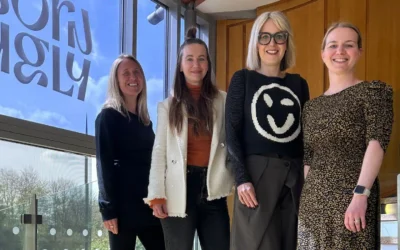
But with every post, interview and opinion comes legal and reputational risk. As founder brands become inseparable from company brands, PR and legal need to work together from day one, write Emma Streets, founder of Streets PR, and Victoria Jones, former head of legal at Beauty Bay and founder of legal consultancy Polished Influence®.
Building in public is becoming the default strategy for founders.
Sharing the wins, the struggles and the behind-the-scenes builds trust faster than any polished campaign ever could. But today, the stakes can seem higher than ever before in a volatile world where access to founders and businesses is both expected and intrinsically linked to a brand’s credibility.
Audiences reward founders who sound like real, unscripted and opinionated people, not seen to be ‘sanitised’ by legal and comms. There lies the tension: personal brands are rewarded for candour, whilst legal and reputational risk mitigation for a business often requires context, verification and restraint. A company profile is generally expected to be more controlled, consistent, and considered.
Founders sit in the gap between these two expectations, and that gap is where most reputational and legal risk lives.
Collabs aren’t just for content
Traditionally, the worlds of legal and comms may have never met until there was an issue. This is changing. The shift towards greater collaboration between these two sets of experts is being driven by several converging factors: tighter consumer protection regulation and CMA enforcement capabilities, regulators’ increasingly proactive and technology assisted monitoring of advertising (including AI-driven detection of undisclosed ads), and social media platforms tightening their own policies around commercial content.
All these factors have led to a clear need to join the dots, not only to mitigate risk, but to maintain a competitive advantage.
When the founder IS the brand
In an early-stage business, there is often no meaningful separation between the founder’s voice and the company’s reputation. A founder’s opinion and behaviours can move markets, build partnerships, impact hiring, and ultimately build valuation.
There’s no escaping that the best founder brands are created on purpose and with intention. Building from a place where guidelines and guardrails are established from day one between legal and comms provides a confidence that enables founders to truly lean in to sharing their story comfortably.
Role confusion
Add to this that the founder’s role shifts over time, and rarely cleanly. Early on, a founder is typically the company’s voice and de facto spokesperson for building credibility and driving sales. Over time, that visibility often generates opportunities in the founder’s own right: speaking engagements, brand deals, advisory roles.
This is where the founder brand and company brand start to diverge, sometimes without anyone deciding it should. Who owns that opportunity? Does it compete with the company? These questions get harder, not easier, the longer they’re left unaddressed. From the businesses’ perspective, managing this collision successfully is crucial.
Daily decision-making
Every piece of content carries legal and PR weight that not all founders may realise in the moment. Well-publicised ASA rulings have made one point unavoidable: founders posting about their own business brand on their own personal account are not exempt from disclosure rules simply because they own the company.
For founders building the company’s reputation through their personal voice, this isn’t a peripheral compliance issue; it’s central to how safely that voice can be used to support the brand at all.
Beyond disclosure, there are defamation risks in offhand commentary, IP questions over who owns founder-generated content, and thought needed regarding contractual obligations; investor agreements, employment terms, brand partnership clauses, that can quietly restrict what a founder is even permitted to say.
This is why PR and legal need to be in the room early on and together
Protecting brand and business value whilst sharing your reality of building a business is a legitimate concern for everyone now, whether you’re an entrepreneur, agency founder or influencer turned business owner.
A founder’s profile, handled well, becomes one of a company’s most valuable commercial assets. The business owners who bring in the right experts at architecture and throughout their visibility journey aren’t being paranoid, they’re the ones protecting an asset of their business that only gets more exposed, yet more valuable, over time.
Emma Streets is the founder of Streets PR, and supports brands with reputation management, strategic PR counsel and crisis comms. Victoria Jones is founder of Polished Influence®, a legal consultancy for high visibility brands, retailers and public profiles.
This article is intended for general informational purposes only and does not constitute legal advice.