

The BBC has published its 2024/25 Commissioning Report, which for the first time this year rolls the annual Supply Report and the Diversity Commissioning Code of Practice Report into a single document detailing its investment of £1.6bn in original UK television content and the commissioning of over 300 production companies across the country.
One major takeaway was that TV hours made by qualifying independent producers dropped five percentage points this year, which the Beeb said was “caused by a high level of sports content this year increasing the total number of hours produced by BBC Sport.”
Nonetheless, it still exceeded its TV independent production quota of 25% by nine points, with 34% of TV hours made by qualifying indies. On BBC One 28.4% of programme hours were made by qualifying producers, exceeding the quota by 3.4% and 49.7% of programme hours on BBC Two, exceeding the quota by 24.7%.
There was much better news on the creative diversity front, where a spend of £140m of commissioning budget in TV and Radio that met the BBC’s creative diversity criteria smashed the £80m target. It also beat the previous year’s spend by £35M, meaning that the BBC has pretty much already met its target of spending £240M on both TV and radio across the three years to 2027.
Alongside this, the BBC’s Diversity Development Fund, worth over £2m, helped place 135 individuals from underrepresented backgrounds across more than 100 productions, focussing on mid to senior roles. A further £1.3m was invested in accessibility on productions, marking the first year of access funding and reporting protocols to support producers and remove financial barriers to inclusive production.
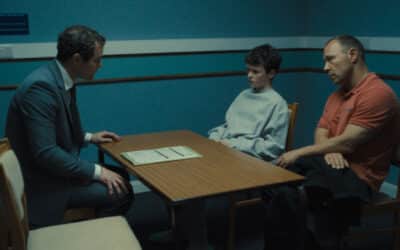
61.2% of network TV spend was in the nations and English regions, with productions including Virdee from Bradford, Smoggie Queens from Middlesbrough and Dinosaur from Scotland.
There were commissions from 43 new TV producers, as well as support for writers, freelancers and musicians through a range of partnerships and initiatives.
Over the past year, over 700 productions were certified by albert, the industry standard for environmental sustainability in film and TV, with 99% of all BBC TV productions meeting the certification. The BBC has also published the BBC’s first Net Zero Transition Plan, outlining how it intends to become a Net Zero organisation by 2050.
The report also revealed that BBC iPlayer has become the fastest-growing streaming platform in the UK.
Kate Phillips, BBC chief content officer said: “This report reflects our unwavering commitment to homegrown storytelling, regional investment, and authentic representation. We’re proud to work with hundreds of production companies across the UK to deliver content that truly reflects our audiences.”