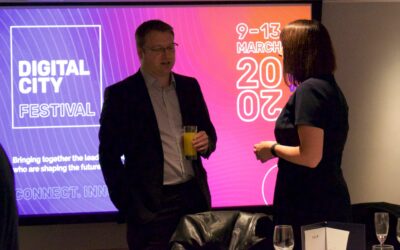
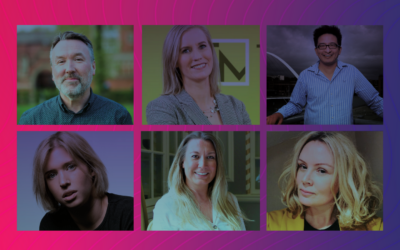
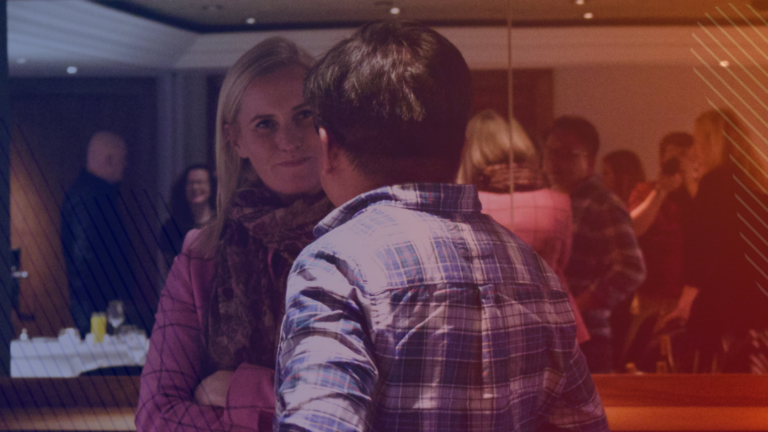
Those present were:
-
Jon Corner, Chief Digital Officer of the City of Salford & CEO The Landing, MediaCityUK
-
Anne Dornan, Head of Innovation & Partnerships at Manchester Science Partnerships
-
Tim Newns, Chief Executive, MIDAS
-
Liz Scott, Head of Entrepreneur Engagement at Tech Nation
-
Patricia Keating, Executive Director of Tech Manchester
-
Naomi Timperley, Co-founder of Tech North Advocates
-
Amy Newton, Tech Brand Consultant and Event Organiser
-
Herb Kim, Founder & Curator of TEDxManchester, TEDxLiverpool and TEDxNewcastle
-
Stuart Clarke, Festival Director of Leeds Digital Festival
-
Karen Burns, Events Manager at BJSS
-
Sam Booth, Chief Executive of pro-manchester
-
Jude Holmes, Head of External Relations and Marketing, Made Smarter
-
Aine McTiernan, North Lead of PwC Scale
-
Tanya Grady, Head of Partnerships at Enterprise City
After introductions, discussion began with a conversation around speakers and guests at the festival. Some wanted to be sure the festival didn’t turn out like others which had banked on one big name and failed to deliver on anything else. It’s vital to have a diverse and interesting range of people coming and offering something people will be able to value.
Herb Kim said a different approach is needed – get someone to attract an entire community, for example the FinTech, eCommerce or digital marketing scene. People are unlikely to be able to give up their whole week to come to the festival, so perhaps have an afternoon people from a sector know they can attend. It’s getting the footfall that matters – and enabling the community to get a valuable networking opportunity.
Jon Corner asked how the event could match Manchester’s attitude and be controversial. Let’s not “bland it out,” he said. Tim Newns discussed topics that could be covered that grab people’s attention and really matter today, like digital ethics, mental health and security. Amy Newton brought up cybersecurity and the importance of it, as the impact can be huge. Let’s find a way to really keep people safe, she said, and spark a conversation about tech for good.

There has to be a legacy, the group agreed. It needs to be a must-visit destination for businesses for many years to come.
There are possible ways to fund accessibility projects for the festival – getting young people in and providing free travel where it’s needed. The digital skills gap was a running theme – finding a way to address it will be the key.
It was agreed that speakers need to be those that will draw attendees, and people with something to say. Northern greats – but without it becoming too insular, said Tim Newns. First and foremost, we want to champion the region and get people from nearby in, but it should be inclusive on a global level. We’re an eCommerce centre of excellence, said Liz Scott – and it’s something we should be presenting on a global stage.
button–large
Patricia Keating said International Women’s Day will be on the preceding weekend to the festival, and there should be a way of recognising it that brings people in from the local area. For example, there might be a celebration of Mary Berners-Lee – who worked on some of the earliest computers at the University of Manchester – and managed to achieve gender parity at her workplace, even in the 1950s.
Conversation turned to ethics in sponsorship, and how it can be guaranteed or worked on. Karen Burns said the beauty of this festival will be its authenticity. Nobody gets it right all the time, said Patricia Keating.
All manner of organisations were suggested to host fringe events, with Sam Booth saying that pro-manchester can help create fringe events and Amy Newton suggesting a wide range of educational and campaigning groups who could get involved.
Stuart Clarke explained that Leeds Digital Festival is community-led, and that has served them very well – we need to celebrate but also collaborate. Jude Holmes asked how we could make all the themes and sections relevant, and bring people in to the whole festival. The group all saw there was a need to reach everyone from students to commercial suppliers, so it needs to be carefully segmented.
Following a fast-moving and in-depth conversation over dinner, the evening came to an end. Ideas had been floated and challenges identified – the first step towards a successful festival in 2020.
If you’d like to find out more about Digital City Festival and how you can get involved, head to digitalcityfestival.com.